
Tomato Paste (Freezer Storage, Not Shelf-Stable Canning)
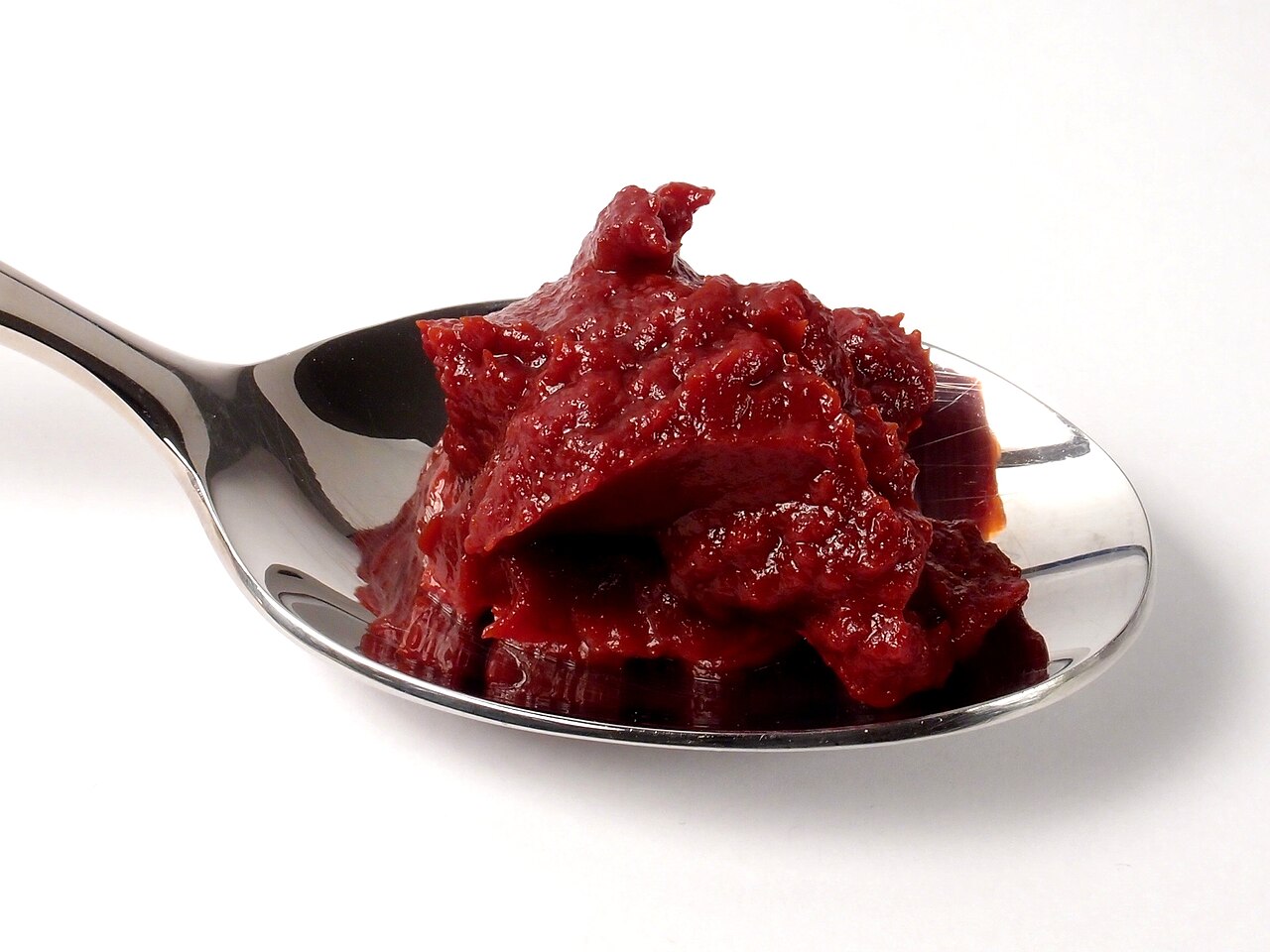
24 servings60 min prep180 min cookMedium
Sign in to rate this recipe.
The Tale of Tomato Paste (Freezer Storage, Not Shelf-Stable Canning)
Tomato paste has long been used in Mediterranean cooking, particularly Italian and Middle Eastern cuisine, as a way to concentrate tomato flavor for storage before refrigeration was common. Freezing rather than shelf-stable canning is a modern, simpler home method for preserving that same concentrated flavor.
Ingredients
Scale:· 24 servings
- About 20 pounds ripe paste tomatoes such as Roma or San Marzano (yields about 3 to 4 cups thick paste)
- 1 teaspoon canning or table salt, optional, for flavor only
- Freezer-safe rigid containers, freezer bags, or ice cube trays for portioning (no canning jars, lids, or acid needed for this freezer-only method)
Instructions
- 1IMPORTANT SAFETY NOTE: this tomato paste recipe is for FREEZER STORAGE ONLY, not shelf-stable boiling-water canning; do not process tomato paste in a boiling-water bath, because it is far too dense for heat to reliably penetrate to the center of the jar within any tested time, which is why there is no USDA/NCHFP home boiling-water process for tomato paste, so freezing is the safe method used here instead.
- 2Wash and gather freezer-safe rigid containers, heavy freezer bags, or ice cube trays (for small tablespoon-sized portions), and have them clean and dry and ready near the stove.
- 3Wash the tomatoes under cool running water, then cut a shallow X through the skin on the blossom end of each one with a paring knife.
- 4Working in small batches, lower the scored tomatoes into a large pot of boiling water and blanch for 30 to 60 seconds, just until the skins split and begin to curl.
- 5Immediately lift the tomatoes into a large bowl of ice water to stop the cooking, then slip off the loosened skins with your fingers and cut out the hard stem cores.
- 6Cut the peeled tomatoes into quarters and simmer them in a large, heavy-bottomed pot over medium heat, stirring occasionally, for about 30 minutes until they break down completely.
- 7Run the softened tomatoes through a food mill or fine sieve to remove seeds and any remaining bits of skin, producing a smooth pulp.
- 8Return the pulp to the pot (a wide, heavy pot works best to speed evaporation) and simmer uncovered over low to medium-low heat for 2 to 3 hours, stirring often and more frequently as it thickens, until the volume is reduced by roughly two-thirds and the paste is thick enough to hold a distinct mound on a spoon without much liquid pooling around it; stir in salt near the end if using.
- 9Because this paste will be frozen rather than shelf-stably canned, no bottled lemon juice or citric acid addition is required for safety here; freezing (not acidity) is what keeps this product safe, unlike the water-bath canned tomato products in this collection.
- 10Let the finished paste cool for about 20 minutes at room temperature, stirring occasionally to release heat evenly, before portioning.
- 11Spoon the cooled paste into small freezer containers or freezer bags in usable portions (such as 1/4 cup or 2 tablespoons each), pressing out excess air and leaving about 1/2 inch of headspace in rigid containers to allow for expansion as the paste freezes, or freeze individual tablespoon portions in an ice cube tray and then transfer the frozen cubes to a labeled freezer bag once solid.
- 12Label every container or bag clearly with the contents ('Tomato Paste - Freezer Only') and the date, since there is no lid-sealing or seal-checking step for a frozen product the way there is for water-bath canned jars.
- 13Store the containers flat in the freezer at 0 degrees F or colder for best quality for up to about 12 months; thaw only the amount needed in the refrigerator and use within a few days, or add frozen cubes directly to hot dishes.
- 14Do not attempt to can this thick paste in a boiling-water bath under any circumstances, and do not store it at room temperature once thawed, since it has not been acidified or heat-processed for shelf stability; the freezer is the only safe storage method for this recipe.
Want Cook Mode, your own recipe photos, and unlimited calculators?
Get Home Cooking ProComments
Loading comments…
Sign in to leave a comment.