

Cottage Pie
Sign in to rate this recipe.
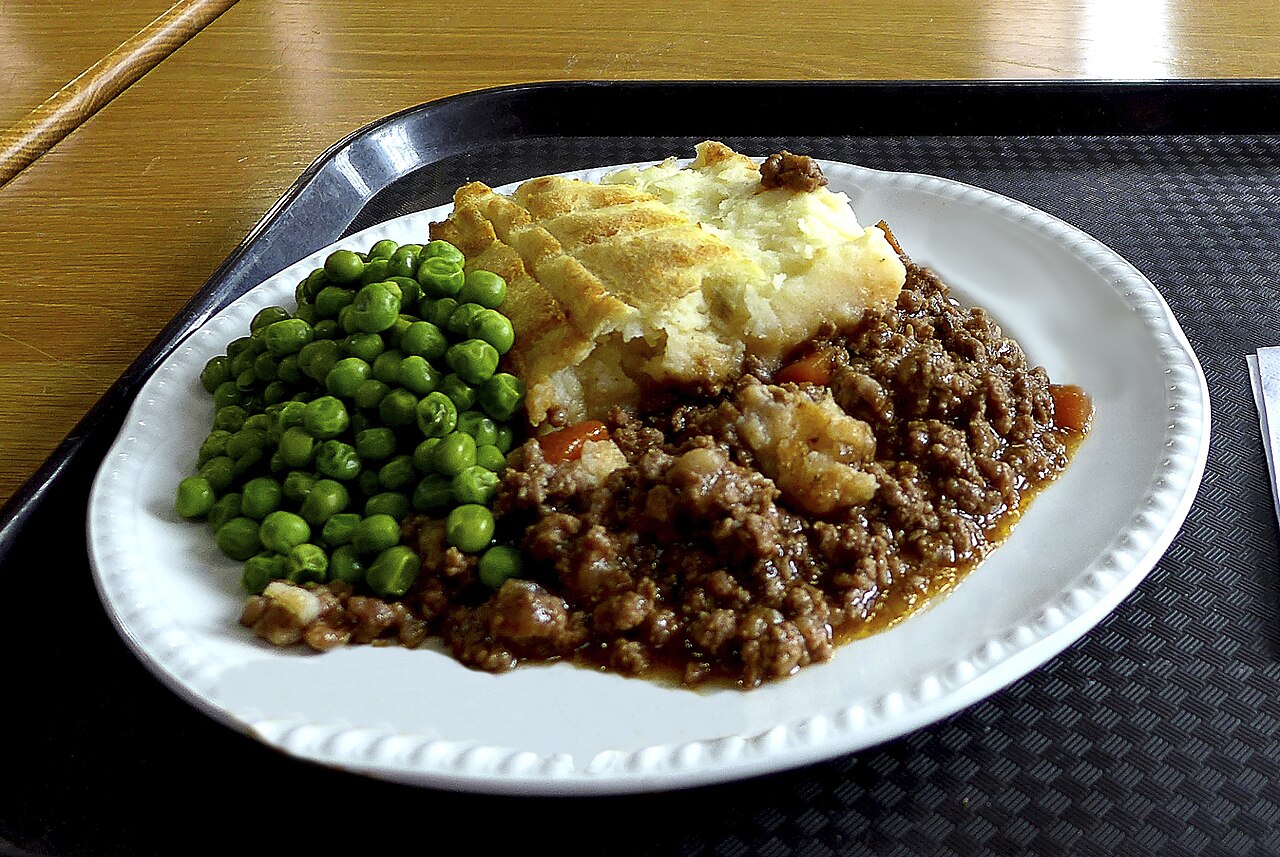
Ingredients
- 2 cups mashed potatoes, warm
- 1 1/2 lbs ground beef, browned and drained
- 1 cup frozen peas and carrots, 1 diced onion, 2 stalks celery, diced
- 1/3 cup all-purpose flour
- 2 cups chicken or beef broth
- 1/2 cup milk or cream
- 2 tbsp butter
- 1 tsp fresh thyme (or 1/2 tsp dried)
- Salt and black pepper, to taste
Method
- Preheat oven to 400°F (205°C).
- Melt the butter in a large skillet over medium heat and cook the onion, celery, and any raw protein until softened and lightly browned.
- Stir in the flour and cook 1 minute, then gradually whisk in the broth and milk until smooth.
- Add the remaining protein and vegetables, thyme, salt, and pepper, and simmer 8–10 minutes until thickened and the vegetables are tender.
- Pour the filling into a baking dish and spread the mashed potatoes evenly over the top, fluffing with a fork.
- Bake for 25–30 minutes, until the potato topping is lightly browned and the filling bubbles at the edges.
- Let rest 10 minutes before serving.
The Tale of Cottage Pie
Story updated

ottage pie is technically the older of the two potato-topped British meat pies that are often confused with one another, its name recorded as early as 1791, predating "shepherd's pie" by several decades. The name refers to the cottagers, rural laborers and small tenant farmers, who first embraced the dish once the potato became a cheap, abundant crop across 18th-century Britain and Ireland, making mashed potato a practical, pastry-free alternative topping for leftover roasted meat. Unlike shepherd's pie, which by tradition uses lamb or mutton, cottage pie is generally made with beef, reflecting its broader, less sheep-farming-specific origins across England. As with much home-kitchen food history, there's no single inventor or clear founding story; cottage pie evolved as an everyday, waste-nothing solution passed down through generations of cooks rather than as an invention tied to a person or restaurant. It remains, alongside its lamb-based cousin, a defining dish of British comfort cooking.
Want Cook Mode, your own recipe photos, and unlimited calculators?
Get Home Cooking ProComments
Loading comments…
Sign in to leave a comment.