

Butterscotch Meringue Pie
Sign in to rate this recipe.
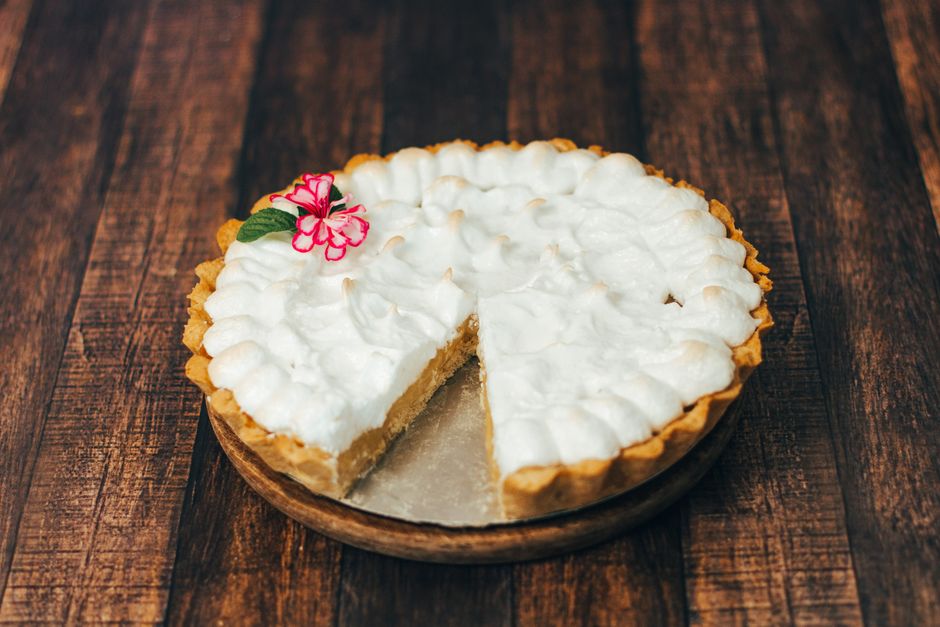
Ingredients
- 1 unbaked 9-inch pie crust (store-bought or homemade), fully baked and cooled
- 2 cups whole milk
- 1 cup packed brown sugar
- 1/4 cup cornstarch
- 4 large egg yolks
- 3 tbsp butter, 1 tsp vanilla extract
- 4 large egg whites, room temperature
- 1/2 tsp cream of tartar
- 1/2 cup granulated sugar
Method
- Melt the butter and brown sugar together in a saucepan over medium heat until bubbling.
- Whisk in the milk, cornstarch, and egg yolks, then cook, whisking constantly, until thickened, about 8 minutes.
- Remove from heat and stir in the vanilla.
- Pour the hot filling into the baked crust.
- Beat the egg whites and cream of tartar with a mixer on medium until soft peaks form, then add the sugar 1 tablespoon at a time, beating until stiff, glossy peaks form.
- Spread the meringue over the hot filling, making sure it touches the crust all the way around to prevent shrinking.
- Bake at 350°F (175°C) for 12–15 minutes, until the meringue peaks are golden brown.
- Cool at room temperature for 1 hour, then refrigerate at least 3 hours before slicing.
The Tale of Butterscotch Meringue Pie
Story updated
utterscotch pie's most often-repeated origin story places it in 1904 at a creamery in Connersville, Indiana, where a cook named Sarah Wheeler was said to have scorched a cream pie filling while distracted by a customer, only to find her sons loved the burnt, toffee-like result and asked for it again. The story credits that happy accident with launching a small restaurant chain and getting the recipe printed in a Methodist church cookbook that same year. Like many home-kitchen origin tales, it cannot be fully verified, but it fits the pie's character: butterscotch pie is essentially a custard pie made by deliberately cooking brown sugar, butter, and cream past the caramel stage into true butterscotch, then setting it with egg yolks and cornstarch. A meringue-topped version appeared in Good Housekeeping by 1916, and the pie was a nationwide favorite by 1920, part of the same golden age of custard and cream pies that dominated American home baking in the early twentieth century.
Want Cook Mode, your own recipe photos, and unlimited calculators?
Get Home Cooking ProComments
Loading comments…
Sign in to leave a comment.